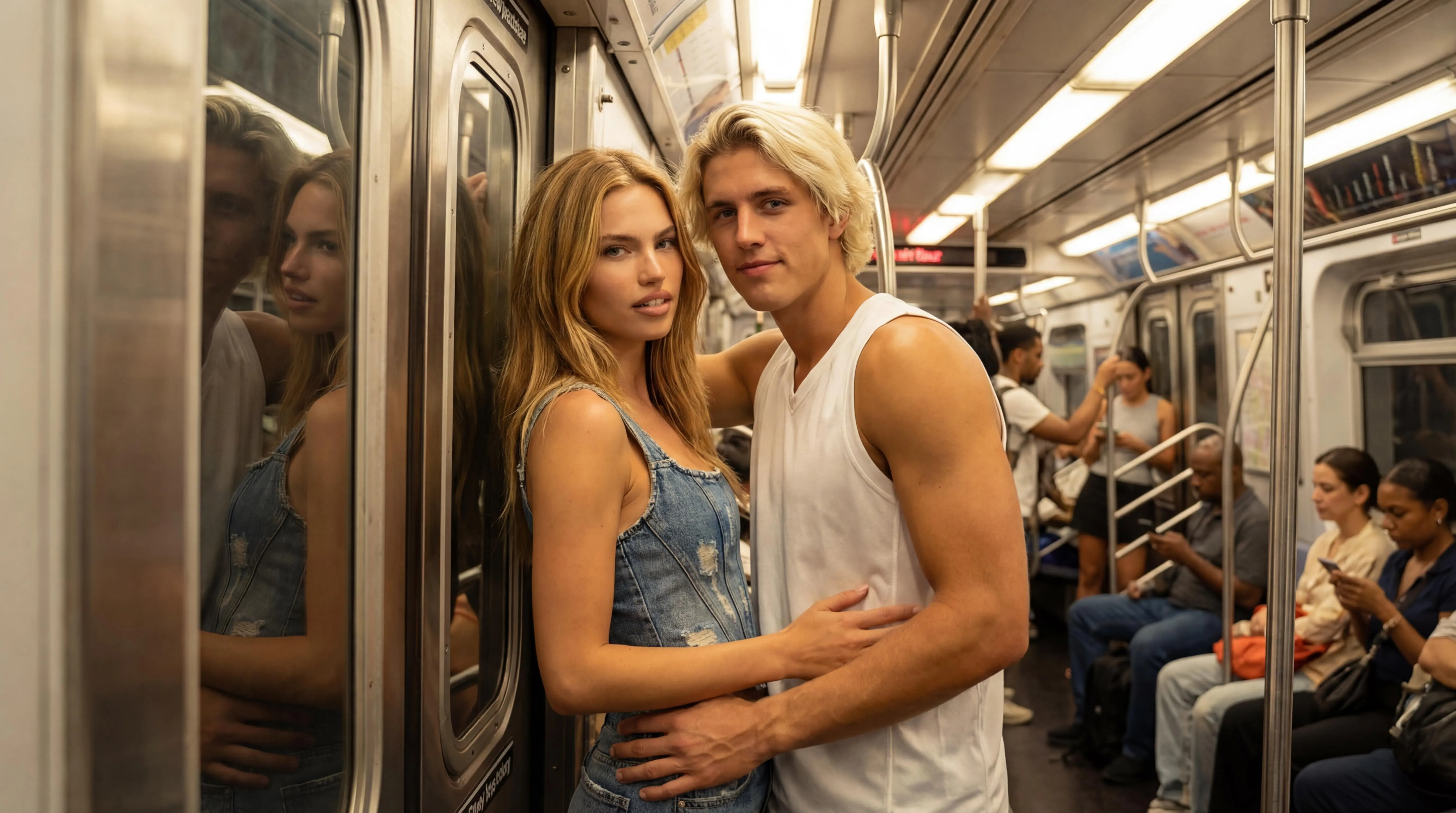
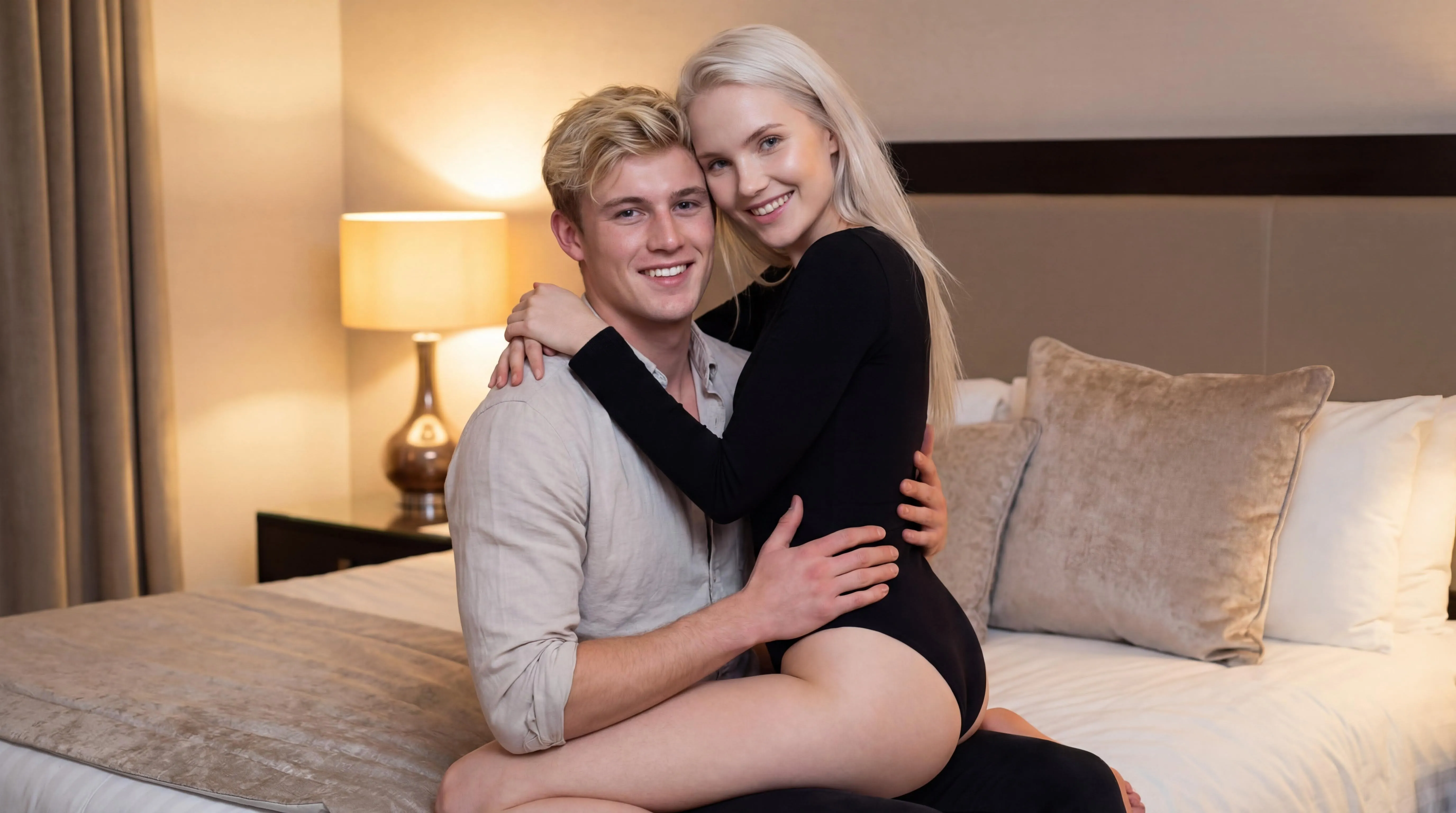
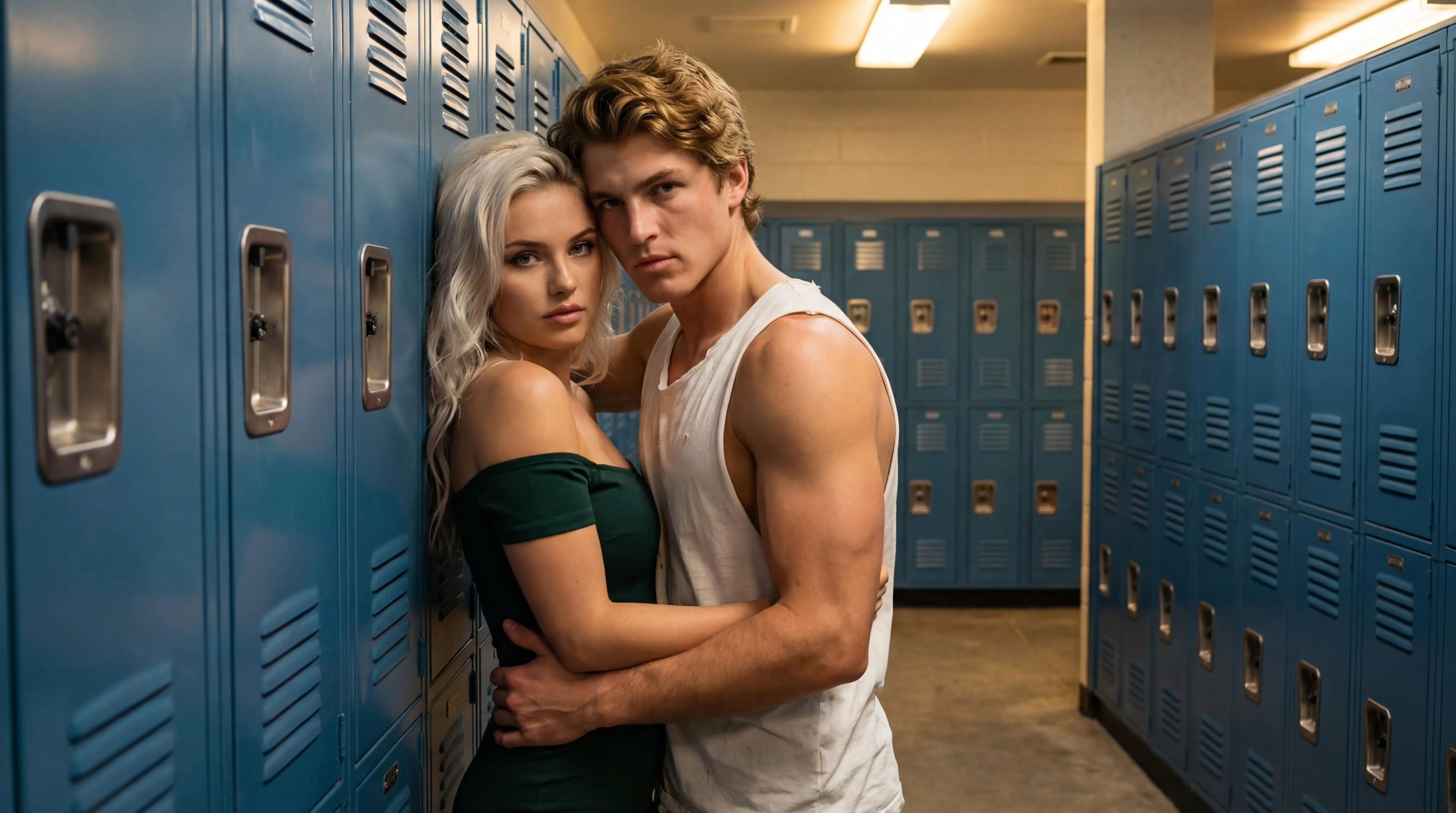
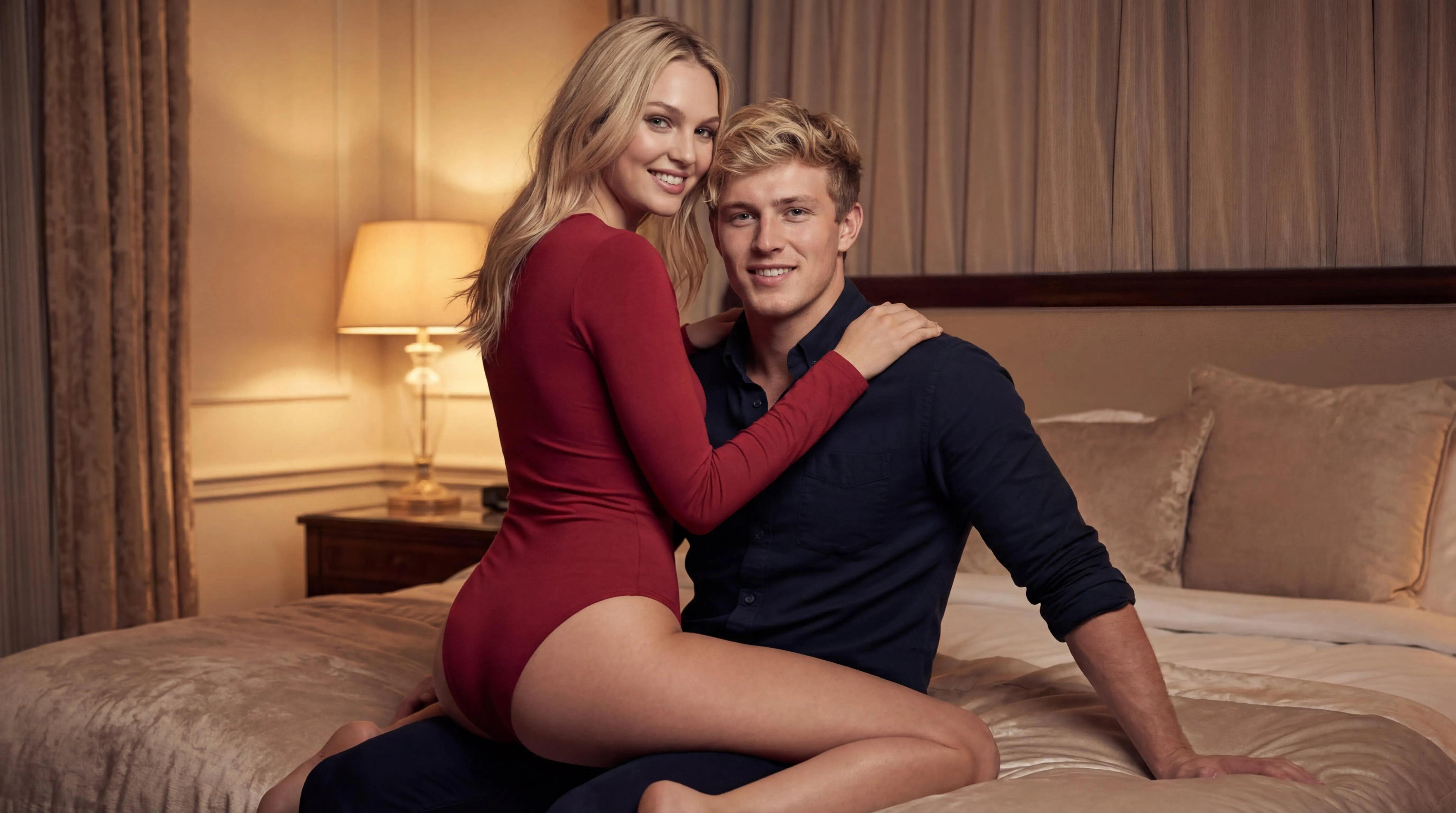
Choose front-facing photos with good lighting so facial details are easy to recognize.
02
Keep framing and distance balanced
Use similar camera distance for both faces to avoid uneven scale in the final composition.
03
Adjust style and prompt tone
Add mood words like cinematic, dreamy, or soft light to better match this template.
04
Generate and refine quickly
If details look off, tweak one setting at a time and regenerate for a cleaner result.
Best photos for Cinema Romance
This template works best when the source portraits give the model enough face detail, lighting information, and scale consistency before the romantic scene is generated.
Use high-resolution portraits with balanced contrast to support darker, more cinematic lighting.
Avoid source photos where one face is much smaller than the other.
Choose images with clean facial detail so shadows, film grain, and side light still preserve identity.
When to use this template
Use Cinema Romance when you want a cinematic scenes scene with template-guided composition instead of a blank prompt.
Story-style social posts, film-inspired edits, and template-based image-to-video tests.
Urban romance concepts set in cinemas, transit spaces, streets, or other public scenes.
Soft anniversary images, profile visuals, and warm keepsake-style couple scenes.
How to improve Cinema Romance results
If the first output is close but not ready to use, adjust the source photos, template fit, or video motion before spending more attempts on the same setup.
If identity changes
Use higher-contrast portraits with clear facial structure before applying dark, rainy, or film-style lighting.
If shadows hide details
Start from brighter source photos and let the cinematic template add atmosphere after identity is established.
If the scene feels overdone
Shorten the prompt to one mood, one location, and one camera move so the model does not fight itself.
Template FAQ
Will this work with regular phone selfies?
Yes. Clear phone selfies usually work well. Avoid heavy blur, harsh filters, and faces covered by hair or hands.
How can I improve face similarity?
Use bright, front-facing photos with minimal occlusion. Similar angles and expression intensity improve identity consistency.
What should I do if the result looks unnatural?
Regenerate with simpler prompts, reduce extreme style keywords, and keep composition instructions concise.